
VIN Decoder - Unlock Vehicle Insights Instantly
Get to know the Vehicle details and specifications of a used vehicle
How Does the VIN Decoder Work?
The Vehicle History VIN Decoder is a tool designed to analyze the Vehicle Identification Number (VIN) of a vehicle and provide valuable insights of any vehicle. The VIN Decoder interprets the alphanumeric characters within the VIN and extracts specific information, such as the vehicle’s manufacturer, model, year, engine type, production location, and more.
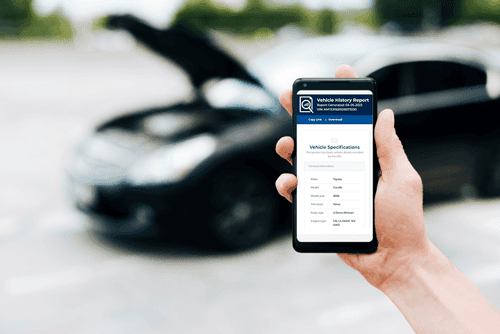
Additionally, the VIN Decoder accesses databases and records to retrieve data about the vehicle’s past, including accident history, ownership records, service and maintenance records, mileage readings, and any reported recalls. By utilizing the Vehicle History VIN Decoder, individuals can gain a comprehensive understanding of a vehicle’s background, enabling them to make informed decisions when buying or selling a car.
How To Run VIN Decoder of a Vehicle?
First Step
Enter the VIN Number.
Second Step
Decode the VIN - Obtain a preview of the vehicle's details.
Third Step
Get the Report - Buy and download your report to reveal any hidden history.
Decoding A VIN Number
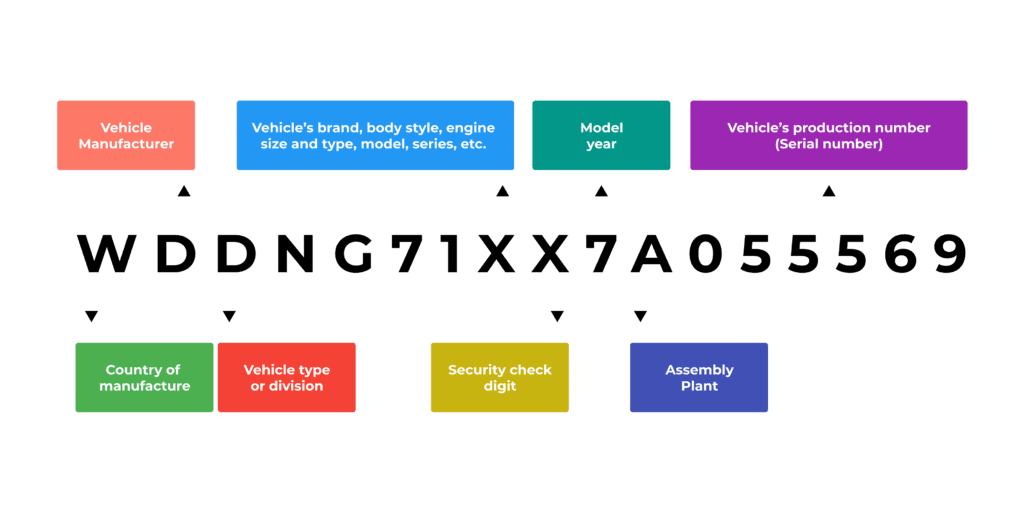
The VIN is constructed according to a standardized format set by international regulations.
- World Manufacturer Identifier (WMI)
- Vehicle Descriptor Section (VDS)
- Vehicle Identifier Section (VIS)
- Assembly Plant Vehicle Serial Number (VSN)
The specific characters and their meanings within each section may vary depending on the manufacturer, but the overall structure of the VIN remains consistent.
The VIN serves as a unique identifier for each vehicle and provides valuable information about its specifications and history.
Where can I find the VIN Number?
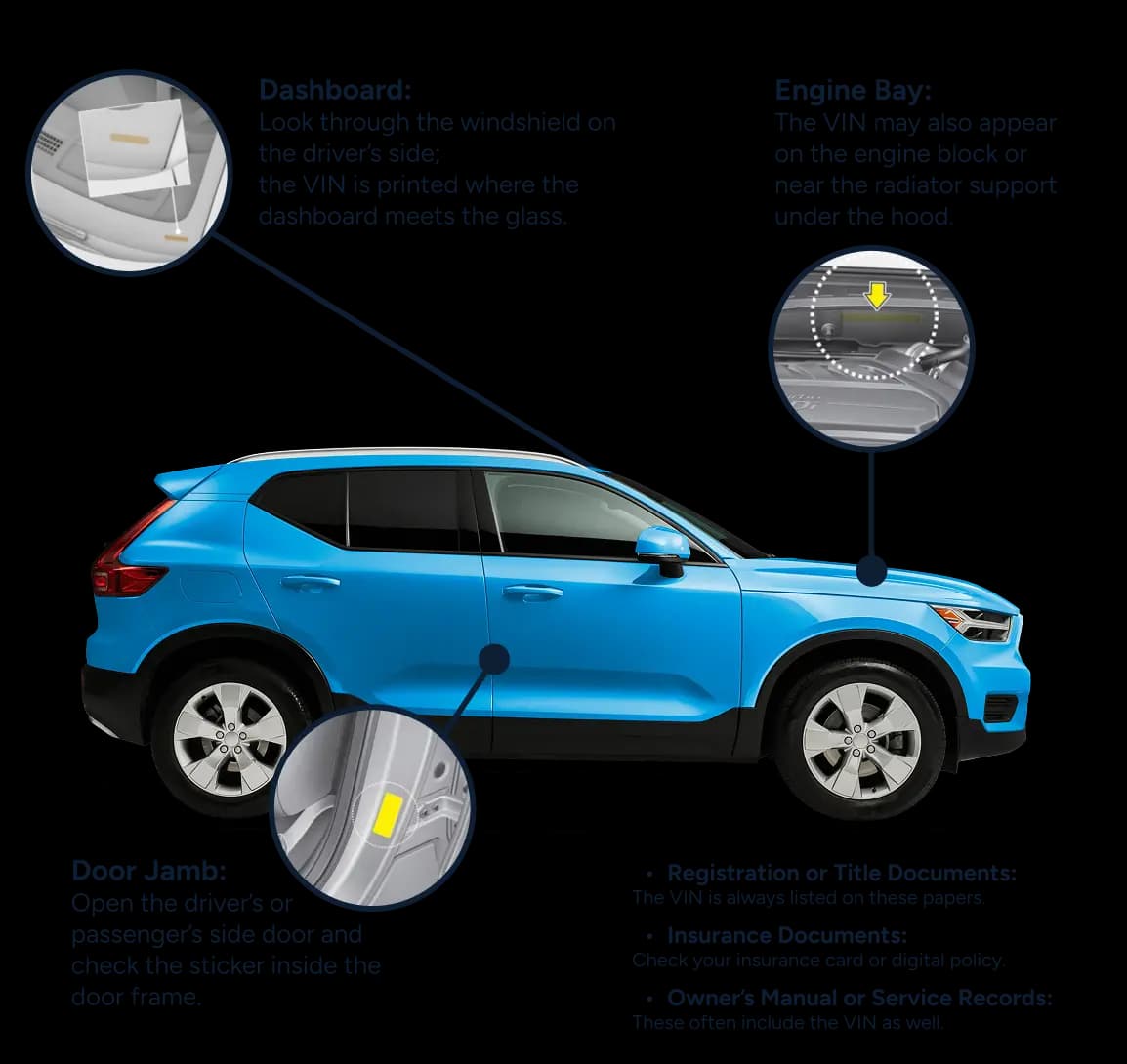
The VIN can typically be found in several locations on a vehicle:
Look through the windshield on the driver’s side of the vehicle. The VIN is usually visible on a small metal plate at the bottom of the windshield.
Open the driver’s side door and check the area where the door latches. The VIN is often displayed on a sticker or metal plate.
Check the front of the engine bay or on the engine itself. The VIN may be stamped or displayed on a metal plate.
The VIN is usually listed on the vehicle registration documents provided by the local transportation or motor vehicle authority.
Why is it Important to Check the VIN Number?
VIN Decoder helps in buying and selling used cars
Authenticity verification.
Save money by avoiding costly fixes for hidden damage
Accurate vehicle information.
Reveals vehicle history.
Title verification.
Ensures warranty coverage.
Prevents fraud and misrepresentation.
Assists in making informed decisions.
Provides insight into the vehicle’s condition.
Verifies matching VIN and documents.
Helps identify potential risks.
Free VIN Decoder vs. Full Vehicle History Report
When you run a VIN lookup, you'll typically encounter two options: a free decoder and a paid full history report. Understanding the difference between them is essential for making an informed decision about your vehicle research.
Free VIN Decoder
A free VIN decoder is designed to translate the 17-character VIN into readable factory specifications. Think of it as your vehicle's identity card.
What you typically get:
- Basic Vehicle Details: Confirms the make, model, model year, and trim level.
- Engine & Transmission: Reveals the original engine type, displacement, and transmission configuration.
- Drivetrain & Body Style: Shows whether the vehicle is front-wheel drive, rear-wheel drive, or all-wheel drive, and confirms the body style (sedan, wagon, SUV, etc.).
- Manufacturing Information: Identifies the assembly plant and production details.
- Recall Overview: May provide a basic check for open safety recalls.
Best for: Early research, quick verification of a seller's claims, or satisfying curiosity about your own vehicle.
Limitations: Does not include accident history, ownership records, mileage data, title brands, or theft information. It only tells you what the car should be, not what it's been through.
Full Vehicle History Report
A full vehicle history report goes far beyond basic specifications. It connects the VIN to a vast database of records to reveal the vehicle's past.
What you typically get:
- Accident & Damage History: Detailed records of reported collisions, including severity, and specific damage types like flood, fire, or hail.
- Title & Legal Status: Checks for branded titles such as "Salvage," "Rebuilt," "Junk," or "Lemon." Also includes lien and loan checks to ensure the vehicle has no outstanding financial claims.
- Mileage Records: Presents a timeline of odometer readings from various sources and alerts you to potential rollback inconsistencies.
- Ownership History: Shows the number of previous owners, duration of ownership, and registration locations.
- Theft Records: Confirms whether the vehicle has ever been reported stolen.
- Auction History: Provides records of past auction listings, including sale prices and condition notes.
- Service & Maintenance Records: May include reported service history when available.
- Downloadable PDF: A printable report for your records.
Best for: Serious buyers, sellers wanting to build trust, and collectors verifying authenticity.
Vehicle History Europe — The History of Your Used Car
Vehicle History lets you know the history of a used car. It helps you avoid risky vehicles and make better decisions when buying it.
VIN Decoding for Business Customers
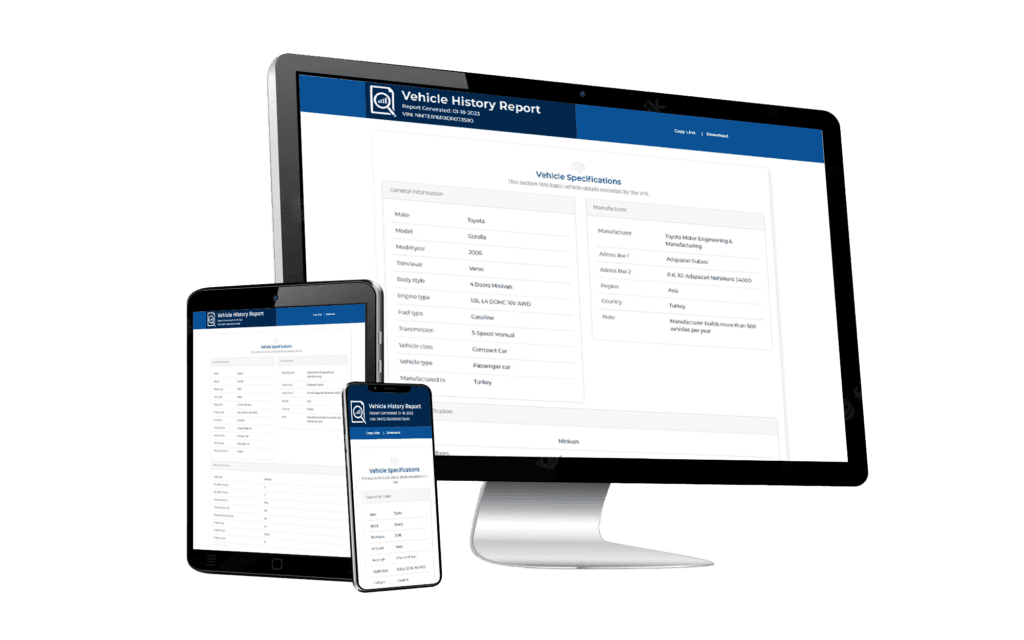
Gain a competitive edge with our comprehensive VIN decoding and Vehicle History data service designed specifically for business customers. Unlock the power of information with our advanced VIN decoding solutions, providing you with a deep dive into a vehicle’s history. Access vital details including accident reports, title information, and more. Make informed decisions, mitigate risks, and streamline your operations with our reliable and efficient Vehicle History data service.
Whether you’re in the automotive industry, insurance sector, or dealership business, our VIN decoding service empowers you with the insights you need to drive success and enhance customer satisfaction. Trust us for accurate, up-to-date, and invaluable vehicle history data.
How to Decode other Makes VIN Number?
FAQs About VIN Decoder EU
What is a VIN Decoder and what does it do?
Our VIN Decoder is a tool that analyzes a vehicle's unique 17-character Vehicle Identification Number (VIN). It interprets the alphanumeric code to reveal key technical specifications like the manufacturer, model, year, engine type, and production location. It also checks databases for historical records, including accident history, ownership, mileage, and recalls.
How do I use the VIN Decoder?
It's simple and takes only three steps:
- First Step: Enter the 17-character VIN number in the search box.
- Second Step: Click "Decode" to get a free preview of the vehicle's basic technical details.
- Third Step: Purchase and download the full history report to uncover any hidden damage, title issues, or past problems.
Why is it important to check a VIN before buying a used car in Europe?
Checking the VIN is crucial because it helps you:
- Prevent fraud and misrepresentation about the car's identity or history.
- Avoid costly repairs by revealing hidden accident damage or odometer rollbacks.
- Verify the vehicle's authenticity and ensure documents match the actual car.
- Make an informed decision and negotiate confidently based on real data.
Where can I find the VIN on a vehicle?
You can typically find the VIN in these locations:
- Dashboard: Visible through the windshield on the driver's side.
- Driver’s side door jamb: On a sticker or metal plate where the door latches.
- Engine compartment: Stamped on a metal plate or on the engine block itself.
- Vehicle registration documents: Listed on the official title or registration papers.
Can this tool help verify if a car has any outstanding recalls?
Yes, the full vehicle history report includes data on any reported safety recalls associated with that specific VIN, helping you ensure the vehicle is safe and has had necessary fixes.