
Check the Original Window Sticker for Hyundai Factory Build Details
Looking into a Hyundai? A Hyundai Window Sticker by VIN shows how the vehicle left the factory, including the specs, options, engine details, trim, and emissions, just the way it came from the factory. Get yours now!
What is a Hyundai Window Sticker?
A Hyundai window sticker is the original label that lists everything about the car when it was new, including all factory-installed features, the vehicle’s base price, and more. With our window sticker VIN lookup tool, you can access the Hyundai’s window sticker in seconds. Perfect for collectors or anyone wanting to know more about their car’s heritage.
What's on a Hyundai Window Sticker?
A Hyundai window sticker is packed with details that can tell you everything about the car, from its basic features to its most intricate options. For example, the sticker lists the car’s trim level, body style, engine type, and any special features it came with straight from the factory.
By simply using the VIN, you can access this info and get an authentic look at what Hyundai was like when it first rolled off the production line.
Vehicle Description
The vehicle description section on a Hyundai window sticker gives you a quick overview of the car’s make, model, and year. It’s like a snapshot of the car when it first hit the showroom floor. For those of you who are enthusiasts or collectors, this section brings back memories of how the car was first marketed and sold.
Vehicle year, make, and model
This section shows you the year the Hyundai was made, the specific make, and the model it belongs to. Whether you have a classic or a modern Hyundai, this part of the sticker helps you connect the car to the time it was built and provides important historical context.
Trim level and body style
The Hyundai’s trim level and body style give you insights into the specific configuration of the vehicle. Whether you have a sleek sedan or a rugged SUV, this part of the sticker breaks down the key features that make the car stand out from others.
Vehicle Identification Number (VIN)
The VIN is a unique code that identifies the Hyundai, ensuring it’s the same car that was originally sold. This number is important for verifying the car’s build data.
Standard Equipment
The standard equipment section lists the key features that came with it, straight from the factory. This could include anything from air conditioning to power windows. It’s a helpful tool for understanding exactly what the vehicle had when it was first built.
Core comfort and convenience features
This part of the label highlights the comfort and convenience features that come standard in the Hyundai vehicles, such as seating options, climate control, and more. If you’re someone who values those little luxuries, this section will give you a solid idea of what the vehicle offered.
Safety basics
Safety features are essential, and this section covers the basic safety options your Hyundai was equipped with. From airbags to traction control, it outlines the standard features that help keep you safe on the road.
Optional Equipment
In addition to standard equipment, many Hyundai vehicles come with optional features that can be added to personalize your ride. This section of the window sticker details all the options that could have been added at the factory.
Factory option packages
Factory option packages are bundles of features designed to enhance the car. Whether you opted for a sports package or added premium audio, this part of the sticker will tell you which packages your car was equipped with.
Individual add-on options
Individual add-ons are special features you may have chosen when purchasing the car. This could include a sunroof, upgraded wheels, or even advanced tech options. It’s all about making your Hyundai truly yours.
Trim-level additions
If the car has unique trim-level options, this section will explain the specific additions that set your car apart. Whether it’s a sportier version or a luxury upgrade, these additions make a big difference.
Manufacturer Suggested Retail Price (MSRP)
The MSRP section is where you’ll find the original price of the car. It’s a way to see just how much your car was worth when it was new, including both the base price and any optional package or add-ons.
Base vehicle MSRP
This shows the base price of the Hyundai before any optional add-ons or upgrades. It’s an essential reference point for understanding the starting price of your car.
Factory options and packages cost
If you added any options or packages to the Hyundai when purchasing, this section will break down their costs. From upgraded features to premium finishes, it shows you exactly what you paid for.
Mechanical and Engine Information
The mechanical and engine section dives into the technical side of the car. From engine specs to transmission details, this section tells you what’s under the hood and how your car performs.
Engine specifications
Here, you’ll find the engine specifications, such as the engine size, type, and horsepower. This information gives you a deeper understanding of Hyundai’s performance.
Transmission
The transmission section highlights the type of transmission the Hyundai has, whether it’s manual or automatic. It’s an important detail for understanding how your car shifts and performs.
Drivetrain layout
This shows the drivetrain layout of the Hyundai, whether it’s front-wheel drive, rear-wheel drive, or all-wheel drive. It helps you understand how your car handles in different conditions.
Factory Power and Performance
The power and performance section gives you an in-depth look at how the car performs. It includes details about horsepower, torque, and acceleration.
Power output (hp / kW)
The power output section tells you how much horsepower (or kW) the car has. It’s all about understanding the engine’s performance and what you can expect from the car.
Torque and performance figures
Torque is another key performance metric. This section tells you how much torque the car delivers and how it impacts the car’s acceleration and handling.
Acceleration and top speed
Here, you’ll get the performance figures for acceleration and top speed, which can tell you how fast the Hyundai can go and how quickly it can reach those speeds.
Emissions Block
The emissions section provides important information about how the car meets environmental standards, including CO₂ emissions and the Euro emissions standard.
Euro emissions standard
The applicable Euro emissions classification is listed clearly, helping buyers understand regulatory compatibility.
CO₂ emissions (g/km)
This section provides details about the official CO₂ figures are shown as recorded by the manufacturer, useful for tax and compliance checks.
Practical cross-border checks
This part helps identify whether the Hyundai’s factory emissions data aligns with requirements in other European countries, reducing surprises during registration.
Basic Equipment
Basic equipment covers essential features present regardless of trim or options, forming the baseline specification.
Everyday essentials
Items necessary for daily driving, comfort, and usability appear here, giving a grounded view of what was included as standard.
Key safety essentials
Core safety components are summarized again in a simplified format, making it easier for non-technical readers to understand what protection was built in.
Why Do You Need a Hyundai Window Sticker Lookup?
A Hyundai window sticker lookup clears up the small details that usually get lost over time. Trim, factory options, emissions figures, and the original spec can matter a lot in Europe, especially with imports across European countries. This label can help buyers, sellers, dealers, and collectors stay on the same page.
Buyers
Buying a Hyundai can feel simple until two listings look identical but are priced wildly differently. A window sticker lookup by VIN helps confirm the original spec and reduces guesswork. It’s especially helpful for older vintage vehicles or situations where the advert is not showing clearly.
Confirm the exact trim level before paying “premium trim” money
A Hyundai may look fully loaded in photos, but trim names can be confusing across markets. A factory window sticker by VIN makes the trim and body style much clearer.
Compare two similar Hyundai listings with facts
Two cars can look the same and drive the same, yet have different equipment levels. A window sticker lookup vin makes side-by-side comparison easier.
Keep negotiations calm by pointing to a factory document
Negotiations often get emotional fast. A factory window sticker by VIN gives something neutral to reference without starting a fight.
How to Get Your Hyundai Window Sticker in 3 Simple Steps
Getting a Hyundai Window Sticker using the VIN should feel simple, not like filling out government paperwork. See the steps below:
Enter your Hyundai details
Enter the Hyundai VIN into the form above
Submit the VIN
Click the ‘Check Vehicle’ button to process your request.
Download and review the sticker
Continue to the payment. In a minute, you will receive your detailed window sticker and view all specifications, options, ratings, and features.
Where to Find the VIN on a Hyundai
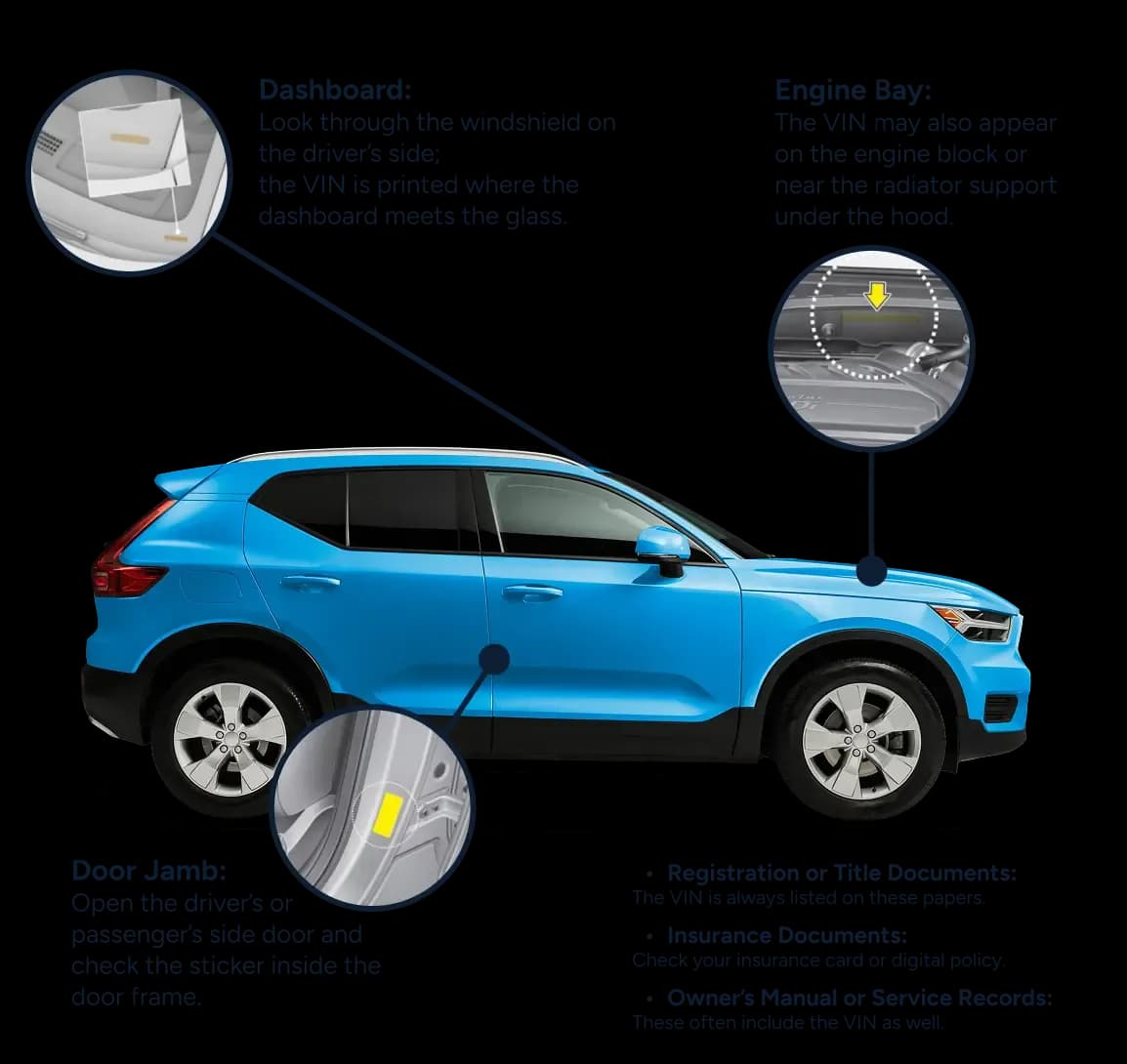
The VIN is usually easy to find once the “usual spots” are known. Hyundai’s own guidance points to common locations like the dashboard near the windscreen, door jamb, engine bay, and registration documents.
Dashboard near the windscreen on the driver's side
Look through the lower corner of the windscreen on the driver’s side. Many Hyundai models place a visible VIN plate here for quick checks.
Driver-side door jamb sticker area
Open the driver’s door and check the door jamb area. Many vehicles show VIN information on a label.
Engine bay or firewall stamping
Some Hyundai vehicles also carry VIN markings in the engine compartment area, sometimes stamped.
Registration documents and official paperwork
Official documents usually list the VIN, including registration papers. For UK-style paperwork, the V5C is often used.
Insurance or finance documents
When checking a Hyundai remotely, documents like insurance or finance records can include the VIN as well.
Service records and maintenance paperwork
Service records can include the VIN, especially if the vehicle has been maintained by a dealership or structured workshop.
Why Should You Use Our Hyundai Window Sticker Tool?
Vehicle History Europe is built for people who want answers without drama. The tool focuses on clear formatting, European-friendly data blocks, and VIN decoding that works even when a Hyundai is older, imported, or has a shorter VIN format.
Most comprehensive database coverage
Coverage matters when a Hyundai crosses borders or gets re-registered. The system is designed to return structured results even when basic vehicle info is fragmented.
24/7 customer support
Questions don’t always happen during office hours. Support is available around the clock for buyers and sellers working across time zones
High accuracy, cross-checked results
The output is structured for verification across sections like description, equipment, mechanical info, and emissions blocks, helping reduce mismatches caused by incomplete adverts.
Built for the European market
European vehicle markets can move across borders constantly. Our window sticker lookup tool is formatted to make cross-country comparisons less confusing.
Get Your Hyundai's Window Sticker Now!
Enter the VIN and pull the Hyundai Window Sticker by VIN in minutes.
Check Any Window Sticker for All Manufacturers
Looking beyond Hyundai? Our window sticker VIN lookup tool can help check factory details for many brands, especially when listings are vague. See the list below:
Common Hyundai Window Sticker Questions Answered
How do I decode a Hyundai VIN number?
A Hyundai VIN number can be decoded by using a VIN decoder tool that reads manufacturer records. The VIN reveals core information such as model, body style, engine type, production year, and market specification. Vehicle History Europe can decode Hyundai VINs, including older and classic models with fewer than 17 characters.
What is a Monroney sticker?
A Monroney sticker is the official factory window sticker used in the United States for new cars. It lists pricing, equipment, and other details. In Europe, the format and terminology differ, but a window sticker by VIN serves a similar purpose by showing factory specifications and vehicle identity details.
What does a Hyundai window sticker show?
It shows the build data of the vehicle, including the vehicle description, trim and body style, VIN, standard equipment, optional equipment, mechanical and engine information, and recommended retail pricing from the manufacturer. The goal is to present the factory configuration clearly in one place.
Is a window sticker the same as a build sheet?
Not exactly. A build sheet vs window sticker comparison usually comes down to presentation. A build sheet is often more production-oriented, while a window sticker is formatted to communicate vehicle specs and pricing clearly for sale and reference.