See Vehicle’s Past Records in Montenegro With a VIN
Purchasing or selling a used vehicle can be challenging if you don’t do proper research. That is why you need to check on the VIN and get a legit vehicle history report. Use the Montenegro VIN check to see the vehicle’s complete specifications and records like odometer reading, auction, recall, and more.
Why Should You Check a VIN in Montenegro
17.3 years
The fleet has an average age of about 17.3 years. Only ~6.4 % of vehicles are younger than six years, while about 86.1 % are older than ten years.
51,500
Over the past three years, Montenegro imported ~51,500 used cars according to customs data, with over two‑thirds from European Union countries.
300,000+
As of the end of 2024, Montenegro had ~306,665 registered vehicles, including cars and trailers.
What is a VIN?
A Vehicle Identification Number (VIN) is a unique 17-character code assigned to every vehicle to identify it precisely. It contains key details like the manufacturer, production country, model, and the car’s specific serial number. No two cars, even identical models from the same year, share the same VIN.
In Montenegro, checking a VIN is especially useful due to the high number of imported used vehicles from Europe. The Montenegro VIN Check lets buyers verify the car’s origin and review important history, including prior owners, accident records, theft reports, or write-offs reported in other countries.
Where to Find the VIN on a Car
The VIN is permanently affixed to the vehicle and recorded on official documents. Inspecting multiple locations ensures the number is genuine and hasn’t been tampered with.

Dashboard
The VIN is usually visible on a plate or label at the bottom corner of the driver’s side dashboard, seen from outside through the windshield.
Door Frame
Open the driver’s door and check the pillar or latch area. A manufacturer sticker here typically lists the VIN along with production and weight details.
Under the Hood
Lift the hood and inspect the firewall or the engine block. Many vehicles have the VIN stamped or attached in these areas for permanent identification.
Vehicle Documentation
The VIN is also recorded on official paperwork such as the registration certificate, insurance policy, and ownership or import documents. Always confirm the VIN on the car matches every document before finalizing a purchase.
What Information Can You Get From a Montenegro VIN Check?
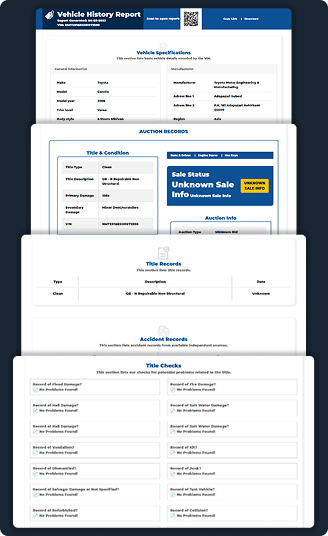
Running a VIN number check in Montenegro provides access to a detailed vehicle history report that helps you understand exactly what you are getting. With many cars entering the country through imports, a VIN report gives clarity on a vehicle’s background, condition, and financial status before you make a decision.
Vehicle Overview
Get a clear summary of how the vehicle was originally manufactured and configured.
Factory Build Details
Review essential production data such as country of manufacture, engine size, fuel type, drivetrain, and transmission configuration to ensure the vehicle matches the seller’s description.
Market Value Insights
Compare the original list price with current market estimates to determine whether the asking price reflects the vehicle’s true value.
Technical and Performance Data
Understand the mechanical setup and specifications that influence how the vehicle performs on the road.
Engine Specifications
Check engine configuration, displacement, horsepower output, and manufacturer-rated efficiency figures.
Transmission and Drivetrain
Confirm whether the vehicle features a manual or automatic gearbox, the number of gears, and whether it operates as front-wheel, rear-wheel, or all-wheel drive.
Legal Status and Mileage Records
Verify the vehicle’s registration status and mileage history to avoid future complications.
Registration and Title Status
Find out whether the vehicle carries a clean registration record or has been marked as salvage, rebuilt, or otherwise restricted.
Odometer History
Review recorded mileage entries over time to detect inconsistencies or signs of possible odometer rollback.
Lien or Loan Information
Ensure there are no outstanding claims that could prevent a smooth ownership transfer.
Active Loans
Check whether the vehicle is still tied to unpaid financing agreements.
Legal Claims or Liens
Identify any registered financial claims, court orders, or liens that may affect ownership rights.
Damage and Accident History
Learn about past incidents that could impact safety, reliability, or resale value.
Reported Accidents
Access records of collisions documented through insurance claims or official reports.
Damage Assessment
Understand the severity of reported damage and whether repairs were properly completed.
Ownership and Sales Activity
Track how the vehicle has changed hands throughout its lifetime.
Previous Owners
See how many individuals or entities have owned the vehicle and when transfers occurred.
Historical Sale Prices
Review past transaction values to evaluate whether the current price aligns with market trends.
Auction Background
Determine whether the vehicle has previously been sold through auction channels.
Auction Appearances
Find out when and where the vehicle was listed or sold at auction.
Auction Photos
View available images taken during auction listings to assess the vehicle’s past condition.
How to Decode the VIN in Montenegro
To decode the VIN and get the vehicle history report in Montenegro, you can follow these simple steps and get it done.
Step 1: Enter the VIN
Ask the seller for the VIN or check on the driver’s side doorjamb. Then, write down on the form above.
Step 2: Click "Search VIN"
Then, click on the button to submit the form.
Step 3: Get a Detailed Vehicle History Report
Wait for 30 seconds to get the report generated. Then, examine the preview page. After that, proceed to payment and download the vehicle history report.
Free vs. Paid VIN Check in Montenegro
If you wish to get the basic information about the vehicle’s specifications, you can use our free Montenegro VIN check. However, if you need more complete information that includes the past records like accident, auction, and odometer reading, the paid VIN check is the best option.
| Information/Records | Free VIN Check | Paid VIN Check |
|---|---|---|
| Year, make & model | ||
| Engine type & size | ||
| Transmission | ||
| Drive type | ||
| Fuel type | ||
| Doors | ||
| Horsepower & torque | ||
| Detailed vehicle specs | ||
| Technical specs | ||
| Auction records | ||
| Vehicle sales history | ||
| Title and condition | ||
| Accident records | ||
| Theft records | ||
| Lien and loan records | ||
| Sales history | ||
| Auction records |
The Importance of Checking the VIN Number in Montenegro
Montenegro’s used-car market is heavily shaped by imports, with many vehicles arriving from the neighboring EU countries. A VIN number check in Montenegro provides verified information that helps reduce uncertainty and protects both sides of the transaction.
Buyers
For buyers in Montenegro, a VIN check is a helpful tool to check the vehicle’s records. It uncovers background details that may not be visible during a quick inspection or short test drive.
Accident and Damage Transparency
A vehicle may appear clean and polished, but a VIN report can expose recorded accidents, insurance claims, or major repairs. Knowing this upfront helps buyers assess structural integrity and long-term reliability.
Mileage Verification
Odometer inconsistencies remain a concern in cross-border vehicle trade. By reviewing historical mileage data from previous records and inspections, buyers can confirm that the mileage progression makes sense and identify potential tampering.
Sellers
In Montenegro’s competitive resale environment, credibility matters. Providing a VIN report demonstrates openness and can make a listing more attractive to serious buyers.
Smoother Transactions
When buyers have access to documented vehicle history from the start, negotiations tend to move faster and with fewer objections.
Stronger Price Positioning
If the vehicle has a clean background, documented maintenance, and a stable ownership history, a VIN report supports the asking price and reinforces buyer confidence.
Why You Should Check a VIN in Montenegro
Whether the car was previously registered locally or imported, a VIN report helps clarify its background before any financial commitment is made. You can always
Detailed Vehicle Reports
Each report compiles accident data, ownership changes, registration details, and other historical records gathered from reliable databases across Europe.
Simple Process
Entering the 17-character VIN is all that is required. The platform is designed to be accessible for private buyers, sellers, and automotive professionals.
Reliable Data Sources
Information is drawn from established databases to ensure accuracy and consistency, particularly for imported vehicles.
Quick Results
Reports are generated within seconds, allowing you to review essential information without delays.
Practical Value
Compared to basic lookup tools, a Montenegro VIN check provides deeper insights that can prevent costly mistakes, all without hidden fees.
Secure and Confidential
Every VIN search is processed through secure systems. Your personal information and lookup activity remain protected and are not shared with third parties.
Common Used Car Scams in Montenegro
Buying a used car in Montenegro can be affordable, but as a buyer, you will need to stay alert. Certain scams still appear in the local and cross-border market, especially involving imported vehicles.
Imported Stolen Vehicles
One long-standing issue in the region involves cars stolen in Western Europe, particularly from countries like Germany or Italy, and later resold in Montenegro. In some cases, the original theft is reported after the vehicle has already changed hands, the car is confiscated, and the buyer loses their money.
Odometer Manipulation
Mileage rollback remains one of the most common fraud tactics. Sellers may alter the odometer to make a high-mileage vehicle appear less used and more valuable. Without verifying service history or inspection records, buyers may overpay for a heavily worn car.
Misleading “Fully Legal” Claims
Some sellers heavily advertise vehicles as “fully legal” or “100% documented” to build confidence. However, this does not always guarantee a clean ownership history. Buyers should independently verify registration records and import documentation.
Hidden Accident or Mechanical Damage
A car may look clean and well-maintained on the outside, concealing serious accident damage or mechanical faults. Cosmetic repairs can hide structural issues that only become apparent after purchase, which could lead to extensive and expensive repairs.
Run VIN Checks in Other Countries
No matter where a car is from, our VIN check works across Europe to help you verify imported vehicles.
Get a VIN Check Before Buying a Used Car in Montenegro
Knowing the car’s past is important. Get the full car report in Montenegro to ensure the vehicle’s age, odometer reading, and its country of origin.
FAQs About Montenegro VIN Check
Can a foreigner buy a car in Montenegro?
Yes, foreigners can purchase a car in Montenegro; however, registering it in their own name typically requires a temporary residence permit (“boravak”). Without residency status, buyers may need to register the vehicle through a local representative. Transactions are usually finalized with a notary, and additional costs may include 21% VAT and applicable import duties.
What are red flags during a car inspection?
Warning signs during a vehicle inspection include evidence of flood damage (such as musty smells or damp carpeting), structural concerns (uneven panel gaps, mismatched paint, visible rust), and engine or transmission issues (oil leaks, smoke, rough shifting). Other red flags include illuminated dashboard warning lights, excessive engine noise, missing service records, or a branded title.
Is a VIN check the same as a history check?
Warning signs during a vehicle inspection include evidence of flood damage (such as musty smells or damp carpeting), structural concerns (uneven panel gaps, mismatched paint, visible rust), and engine or transmission issues (oil leaks, smoke, rough shifting). Other red flags include illuminated dashboard warning lights, excessive engine noise, missing service records, or a branded title.
How to tell if someone is scamming you for a car?
To avoid car scams, be cautious of deals that seem unusually cheap, sellers who insist on untraceable payment methods like wire transfers or gift cards, or anyone unwilling to meet in person. Common scam tactics include fake listings, refusal to share the VIN, or claims that the vehicle is being sold on behalf of someone else.