
VIN check

How to Find MSRP by VIN: Best Explanation
 Adewale Peter·Sep 28, 2026
Every vehicle has an identifier called a Vehicle Identification Number. It is a sequence of numbers and letters that records details about how and where it was built. Many car shoppers don't realize that this same code can also help trace a vehicle's Manufacturer's Suggested Retail Price, or MSRP.
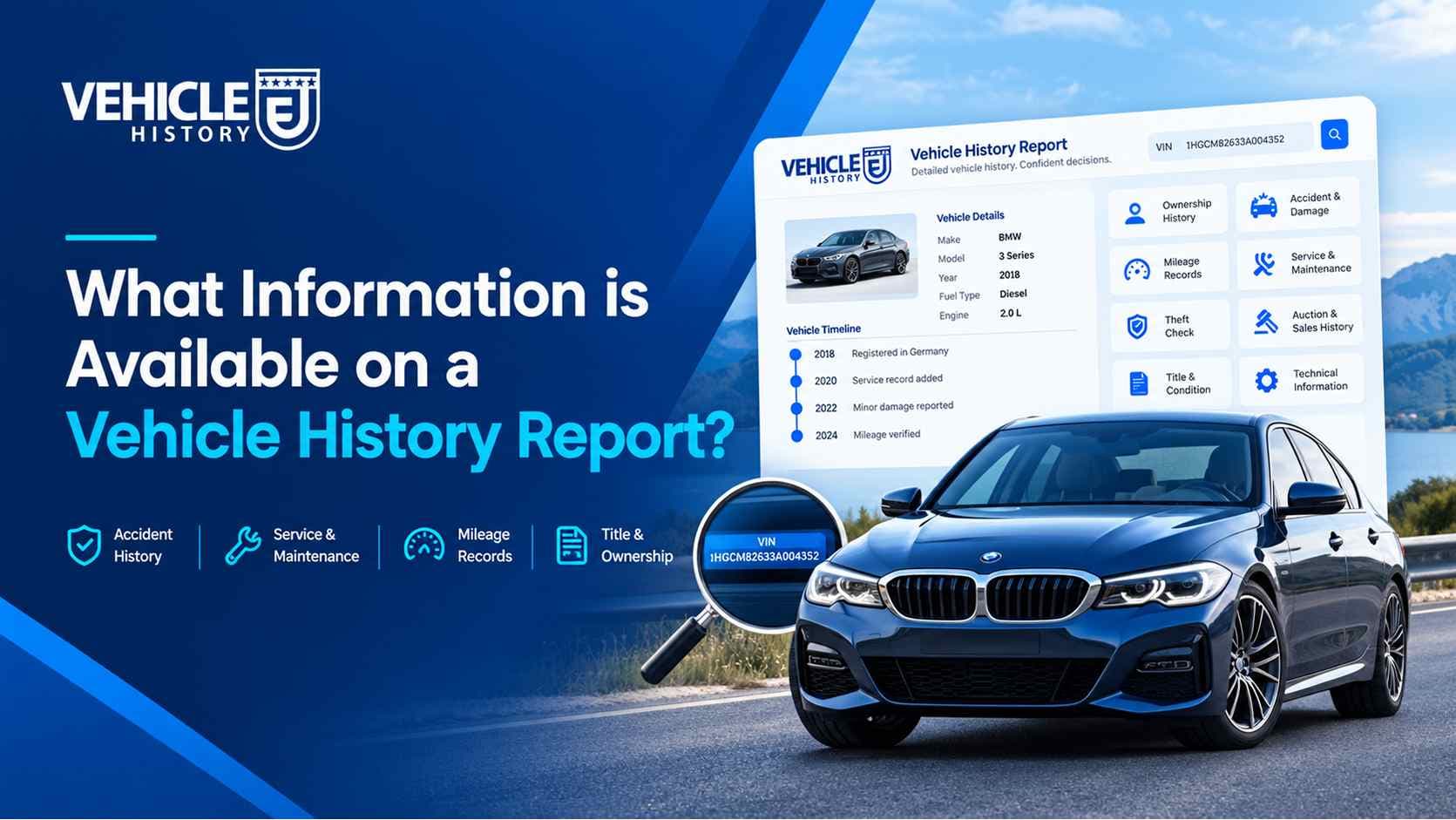
What Information is Available on a Vehicle History Report?
A vehicle history report uses the vehicle identification number (VIN) to collect records connected to a car’s past. Later, these records are collected and shown in one document that can be used by sellers, buyers, and everyone who wants to run a quick check on a vehicle’s background.
What is the Best Site To Check the VIN Number
Adewale Peter·Jul 12, 2023Looking for the best site to check a VIN number in Europe? Compare top VIN check tools to get accurate vehicle history, specs, and fraud alerts.

European Car Check Tools: 7 Essential Resources for Every European Car Owner
Adewale Peter·May 6, 2023Discover 7 essential European car check tools to verify vehicle history, mileage, VIN, recalls, and maintenance before you buy or service your vehicle.

Citroen VIN Check Free: Why It’s Important and Where to Do It
Adewale Peter·May 2, 2023Thinking of buying a Citroen car? Use our free VIN check tool to verify your vehicle history, mileage, and theft records before making any decision.

Why a Hyundai VIN Check is Crucial Before You Buy a Used Car in Europe
Adewale Peter·Apr 28, 2023Buying a used Hyundai in Europe? Find out why a VIN check is essential to uncover accident history, recalls, mileage fraud, and more.
How to Check a Car’s CO₂ Emissions
Adewale Peter·When checking a used car in Europe, knowing the CO₂ emissions and the fuel consumption is important. These things can help you understand how much fuel a vehicle uses and how much carbon dioxide it produces under standardized testing conditions. These figures can also be relevant when comparing vehicles, checking running costs, or reviewing vehicle specifications.
How to Find Trim Level by VIN: A Simple Guide
Adewale Peter·A car trim level shows you which version of a vehicle model you have, and this includes the equipment, features, and additional components that came with it. Your VIN is one of the easiest ways to narrow down the exact configuration, although the information available can vary by vehicle and data source. You can also check the registration information, vehicle documentation, badges, or get a window sticker to help with finding the trims.