Key Takeaways
- A VIN auction check can help reveal a vehicle's previous auction listings, including recorded mileage, damage details, sale dates, and auction photos.
- Auction history can help identify undisclosed damage or inconsistencies between a vehicle's past condition and its current appearance.
- Check auction history alongside a vehicle history report and physical inspection to assess a used car's condition before buying.
Finding an auctioned car is one of the most common things that happens in the used car market. Unfortunately, not every auctioned used vehicle was sold in good condition, as some of them might have bad records. In Europe itself, a big auction house is able to sell one million units annually, and those cars have hidden records you might not know if you do not examine them.
If you are interested in buying a used car in Europe, make sure you run a quick auction VIN check by using a trusted online tool to find available auction records and photos. This guide will help you find out how to check if the car was ever sold at an auction and how to check for auction records by getting the vehicle history report.
What are Vehicle Auction Records?
Vehicle auction records are records that show if the vehicle was ever sold at an auction. A vehicle may appear at auction for many reasons, including an insurance claim, damage or total-loss sale, trade-in, repossession, fleet disposal, dealer inventory, or resale after repairs.
What Can Auction Records Tell You?
Many online tools include auction data in their reports, and the details are always similar from one provider to another. At Vehicle History EU, you can find the vehicle’s title and condition, technical details, auction type, seller type, auction date, and auction location. In addition, you will also get the auction photos if available.
Previous Damage or Condition
On the auction records, you can find the vehicle’s title type, title description, primary damage, and secondary damage recorded when the vehicle was listed.
Mileage Recorded at Auction
Comparing the auction mileage with the vehicle’s current odometer reading and other historical records can help you identify inconsistencies and understand how the mileage has changed over time.
Auction Photos
Historical photos can show the vehicle’s condition when it was listed for sale. By the time you find the auction photos, you can examine whether the body has any damage, missing or damaged components, or other condition issues.
Vehicle Specifications and Status
The auction records show basic vehicle specifications such as the body style, exterior colors, fuel type, transmission, and the drive type.
Auction Value and Sale Details
Some auction records include financial and sale information. These include the current bid, seller type, auction type, auction date, and auction location.
READ ALSO: What Information is Available on a Vehicle History Report?
Why Should You Check a Vehicle History Records
A vehicle history can look completely different from how it may appear. Checking the auction history lets you compare the vehicle’s past condition, mileage, and recorded details with what you see today.
Find Damage That Has Already Been Repaired
A vehicle may no longer show obvious signs of previous damage after repairs. Historical auction records can provide damage descriptions and photos from before the repairs, giving you a better idea of what happened to the vehicle.
For example, an auction record may show front-end damage, secondary damage, or an estimated repair cost that is not apparent from the vehicle’s current appearance. Reviewing these records can help you ask more informed questions about previous repairs.
Compare Historical and Current Mileage
Mileage recorded at auction gives you another point of reference when checking a vehicle’s mileage. You can compare the auction odometer reading with later records and the mileage shown on the vehicle today.
Understand the Vehicle’s Previous Condition
Auction photos and condition information can provide a useful before-and-after reference. Instead of judging the vehicle only by its current appearance, you can see how it was described and photographed at an earlier point in its history.
Check Before Buying a Used Vehicle
Auction history is useful, but it is only one part of a vehicle’s history. A vehicle may have records outside of an auction, including mileage, title, accident, theft, finance, or other available history with a vehicle history report.
READ ALSO: Where to Find the VIN Number on Your Car
How to Check If the Vehicle Has Auction Records
To check if the vehicle has ever been sold at an auction is easy; you can use your vehicle’s VIN and go to Vehicle History EU’s VIN check page. Then, follow these simple steps to get it done within seconds.
Find the VIN
Check the driver’s side door jamb, engine bay, windshield, or the vehicle’s paperwork to find the VIN.
Enter the VIN
Once you have the VIN, enter it into the form at the top of the page. Then, click the “Search” button to submit the form.
Get the Vehicle History Report
Check the preview page to see the vehicle’s details for free. Then, proceed to payment to get the full vehicle history report, which reveals available auction history and sales records.
How to Read a Vehicle History Report
On the vehicle history report, you can find the vehicle auction history, and sometimes it also comes with auction photos to help you examine the condition. When you review vehicle records, you will need to pay attention to the vehicle’s auction date, recorded mileage, damage details, and the historical photos.
Check the Auction Date
Check the auction date, and you can compare it with other records like mileage readings, title, accident history, and other records to get an understanding of why the vehicle ended up in an auction.
Check the Recorded Mileage
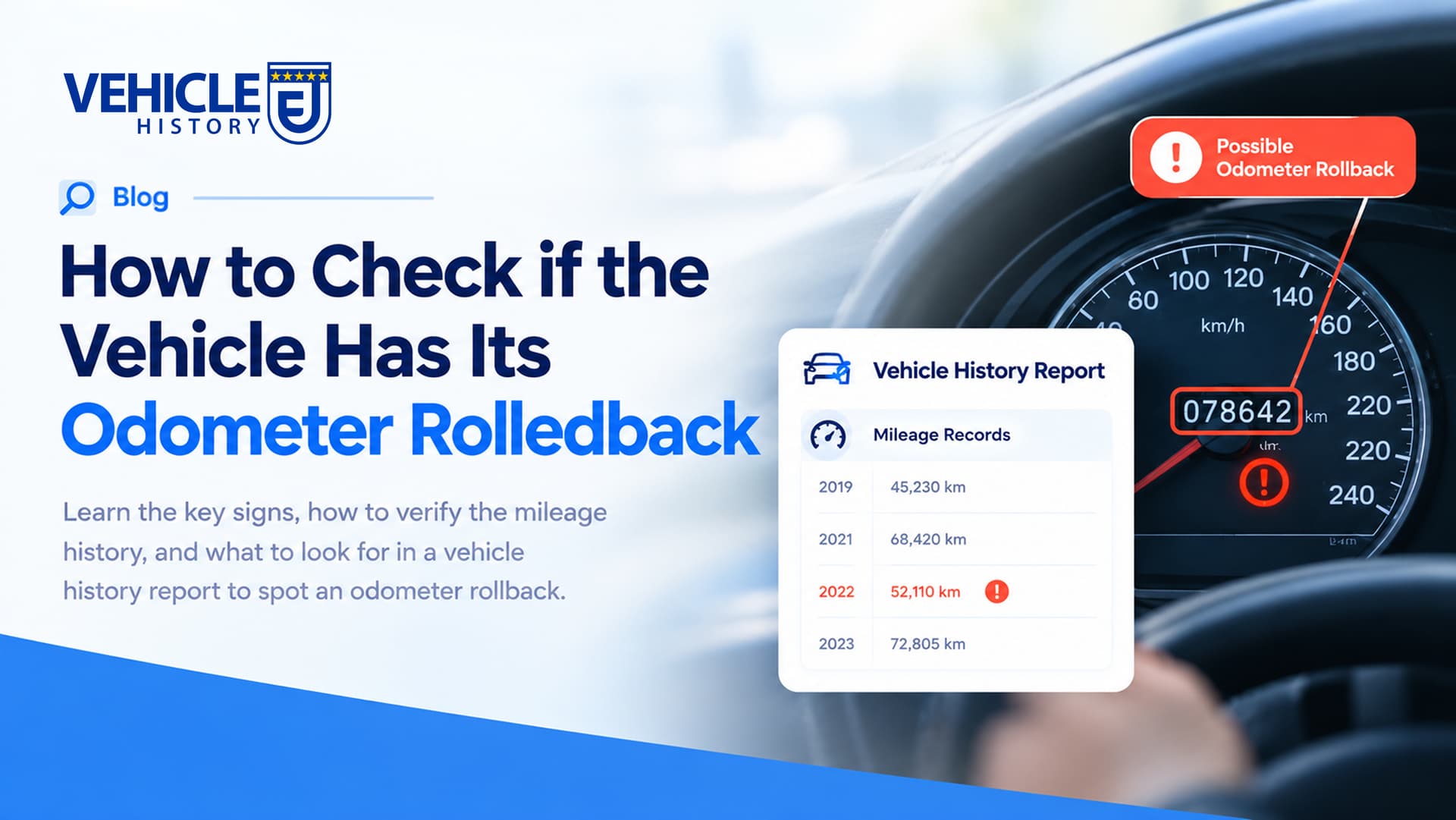
Look at the mileage recorded when the vehicle was listed at auction and compare it with mileage from other points in its history. The auction records can help you examine if the odometer was rolled back; this is useful to make sure that the mileage is accurate.
Look at the Damage Description
Auction records may identify primary and secondary damage reported when the vehicle was listed. Primary damage generally describes the main reported area of damage, while secondary damage identifies another recorded issue.
Review the Auction Photos
If historical auction photos are available, review them alongside the written damage description. Photos can show the actual condition of the vehicle when it was listed and may reveal details that are difficult to understand from the text alone.
Compare Exterior Damage
Look closely at the areas identified in the auction record. Check for dents, damaged or missing panels, broken lights, bumper damage, cracked glass, paint damage, and other visible issues.
Check the Interior and Undercarriage
If photos of the interior or underside are available, look for signs that may not be visible from exterior images. These can include interior damage, deployed airbags, water exposure, damaged components, or visible structural and mechanical issues.
READ ALSO: What is Considered Bad Gas Mileage?
Does Auction History Mean a Car is Bad?
No. If the vehicle was sold at an auction, it does not automatically mean it is bad or unsafe, as it may have its own reasons that made it dumped into an auction. The car may have been a trade-in, a repossession, fleet disposal, dealer inventory, insurance claim, or resale after repairs.
What matters is the information attached to the auction record. Damage descriptions, mileage, condition details, historical photos, and other available records can help you understand why the vehicle appeared at auction and what condition it was in at the time.
When an Auction Record Deserves More Attention
Dig deeper into the auction history and the overall vehicle history report to run a thorough investigation, especially when the information is different from the vehicle’s current condition or the seller’s description.
Pay attention to these things:
- Significant recorded damage: Major primary or secondary damage may require a closer look at the vehicle’s repairs and current condition.
- Mileage discrepancies: A mileage reading that does not fit the vehicle’s broader history may warrant further investigation.
- Severe condition in historical photos: Photos showing extensive damage, missing components, or other serious issues can provide important context about previous repairs.
- Repeated auction appearances: Multiple auction records may indicate that the vehicle was listed or sold several times, so reviewing the dates and details can help explain its history.
- Major differences between past and current condition: A vehicle that looks substantially different from its auction photos may have undergone significant repairs or replacement work.
Check a Vehicle’s Auction History Before You Buy
Vehicle auction records can give you another point of view when examining a vehicle before you decide to buy it. These records can help you understand what the vehicle looked like before it reached the current market. However, auction history is only one part of the vehicle’s background. Checking it alongside other available vehicle history records can help you build a clearer timeline and identify details that may need further investigation.
FAQs About Vehicle Auction History
How can I check a vehicle’s auction history?
You can check a vehicle’s auction history by entering its 17-character VIN or chassis number into a vehicle history or auction lookup service that provides available auction records.
Can I check auction history by VIN?
Yes. You can check a vehicle’s auction history by entering its 17-character VIN into a vehicle history or auction lookup service that provides auction records.
Does every car have an auction history?
No. Not every vehicle has an auction history. A vehicle will only have an auction record if it has previously been listed or sold through an auction covered by the available data, such as a wholesale, salvage, dealer, or public auction.
Can auction history show previous damage?
Yes. Auction history can show previous damage when the available records include details such as damage descriptions, condition reports, inspector notes, or historical auction photos.
Does an auction record mean a car was totaled?
No. An auction record does not automatically mean a car was totaled. Vehicles can appear at auction for various reasons, including trade-ins, lease returns, fleet sales, repossessions, or dealer inventory, and some may have clean titles.