Key Takeaways
- Check the current odometer reading against service, inspection, registration, and vehicle history records to spot inconsistencies.
- Excessive interior wear, disturbed dashboard components, or other physical clues can support concerns about possible odometer tampering.
- Ask the seller for more documents and consider an independent inspection if the mileage history does not match the reading.
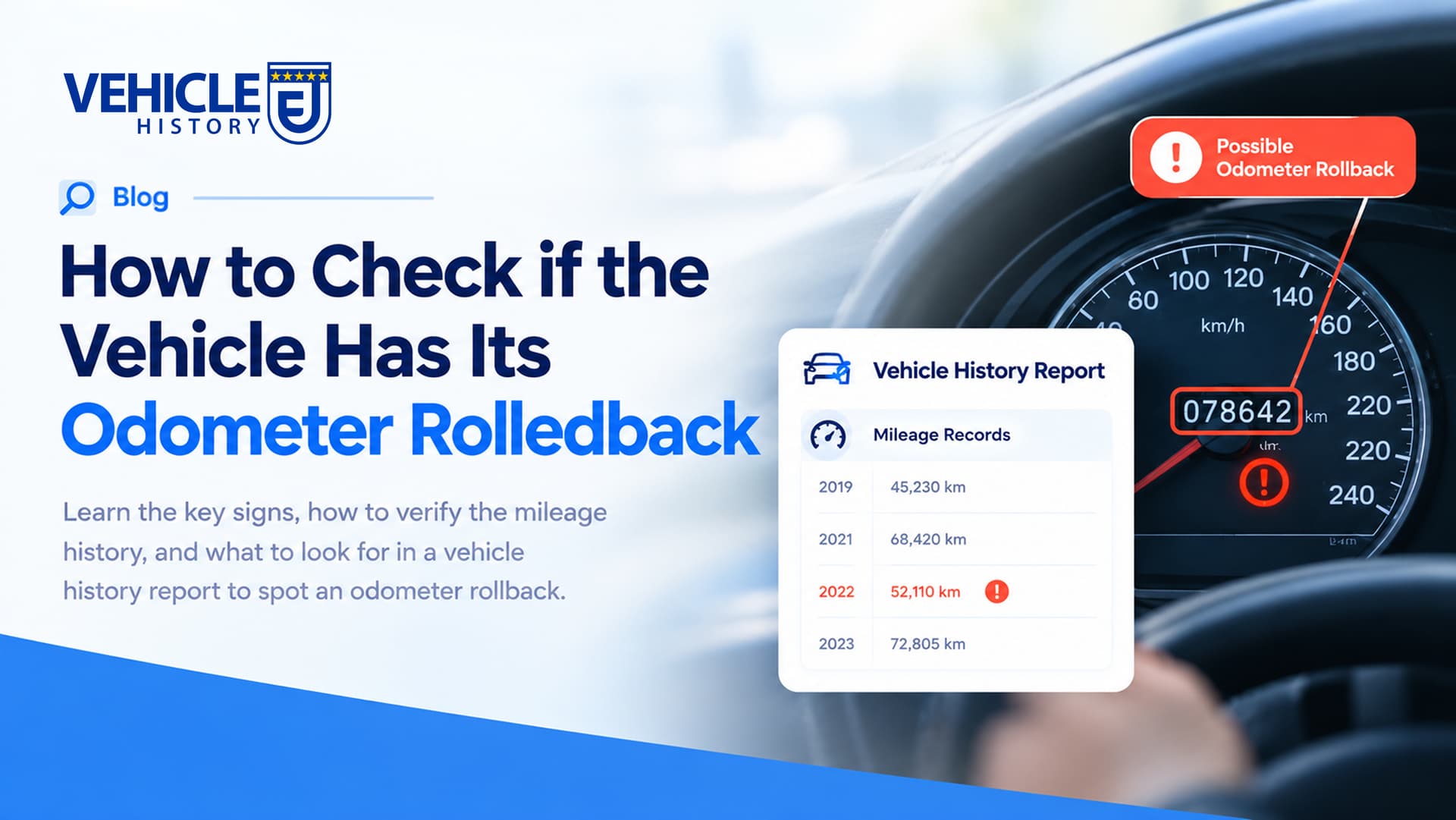
Odometer rollback occurs when a vehicle’s displayed mileage is changed to fewer miles or kilometres. Before buying a used car, checking the odometer reading against its history can help you spot potential mileage discrepancies. You can start by reviewing vehicle history records, service and inspection documents, and previous mileage entries.
Physical signs such as excessive interior wear or a disturbed instrument cluster can provide additional clues. A professional inspection can also help identify inconsistencies between the vehicle’s condition and its displayed mileage. If you need to see if the vehicle odometer has ever been rolled back, you can use the Vehicle History EU to get the vehicle history report.
What is an Odometer Rollback?
Odometer rollback is the practice of changing a vehicle’s mileage reading to show that the vehicle has less mileage than the reality. This can make a used car appear to have less mileage and will also be priced slightly higher than it should be.
Older vehicles may have mechanical odometers, which use physical components to display mileage. Newer vehicles generally use digital odometers, which store and display mileage electronically. While mechanical odometers may show visible signs of physical tampering, digital odometers can be more difficult to check by sight alone.
How to Check If an Odometer Has Been Rolled Back
To check if the vehicle odometer has been rolled back, there are two ways: run a VIN check and compare the current mileage with older records like maintenance history paper, and then look for signs to see if the vehicle’s odometer has been tampered with.
Compare the Odometer With Previous Mileage Records
Start by comparing the mileage shown on the dashboard and check it against the old documentation, like the latest service history records, to see if the mileage followed a consistent progression over time.
Check Service and Maintenance Records
See the service and maintenance records to see for mileage entries that can be compared with the current odometer. In addition, you can also check the vehicle’s oil-change records, dealer service records, and repair invoices.
Review Inspection and Registration Records
You can run a quick check on the inspection and registration records that have the mileage reading history. Once you’ve obtained the information, you may compare these entries with the current odometer reading.
Compare the Mileage With the Vehicle's Condition
Aside from comparing the mileage with records, you can also assess the physical condition to make sure it is consistent with age, mileage, and usage. If the car has unusually low mileage but has signs of wear, take a closer look at the vehicle.
Inspect Interior Wear
See areas such as the steering wheel, driver's seat, pedals, gear selector, door handles, switches, and floor mats. Heavy wear on these components can provide a useful clue when a vehicle is advertised with exceptionally low mileage.
Check Tires, Brakes, and Other Wear Items
Inspect tires, brakes, suspension components, and other parts that experience normal wear during driving. Their condition can provide additional context when assessing whether the vehicle's mileage appears reasonable.
Signs That an Odometer May Have Been Rolled Back
Several warning signs can indicate that a vehicle's displayed mileage may not reflect how far the vehicle has actually driven. No single clue necessarily proves an odometer was rolled back, but multiple inconsistencies should prompt you to investigate the vehicle's history and documents more closely.
The Current Mileage is Lower Than an Earlier Record
A previous mileage record that is higher than the vehicle’s current odometer reading is one of the strongest warning signs of potential rollback. For example, if a service record shows 90,000 miles but the dashboard now displays 70,000 miles, it is recommended that you run a quick check.
Service Records Show Higher Mileage
Maintenance documents show useful evidence of how a vehicle’s mileage changed over time. Check invoices, service records, inspection reports, and other paperwork for mileage entries that exceed the current odometer reading.
The Vehicle Has Excessive Wear for Its Displayed Mileage
Look at the frequently used components such as the driver’s seat, steering wheel, pedals, gear selector, and interior controls. Excessive wear on a vehicle with unusually low displayed mileage can be a supporting warning sign.
The Instrument Cluster Looks Recently Disturbed
Inspect the area around the instrument cluster for scratches, damaged fasteners, loose trim, misaligned panels, or other signs that it may have been removed or disturbed.
The Seller Cannot Explain Mileage Discrepancies
A legitimate explanation should ideally be supported by documentation, such as repair records or replacement paperwork. Do not rely solely on a verbal explanation when multiple records indicate that the vehicle previously showed higher mileage.
Can a VIN Check Detect Odometer Rollback
A VIN check service by Vehicle History EU can help you examine the vehicle’s odometer and see if it has been rolled back. Follow these simple steps to get it done in seconds.
Find the VIN
Check the driver’s side door jamb, windshield, or the paperwork, like insurance.
Enter the VIN
Click the form and enter the VIN. Then, click the button to enter the form.
Get the Vehicle History Report
See the preview page to make sure the vehicle make, model, year, and trim are correct. Then, proceed to payment to get the full vehicle history report.
How to Check a Digital Odometer for Tampering
Digital odometers are sometimes harder to check for tampering because the displayed mileage may not show obvious physical signs of alteration. Instead of relying on the dashboard display, run a quick check, get the vehicle report, and inspect these areas.
Compare Digital Mileage With Historical Records
Firstly, you need to compare the mileage shown on the digital display with service records, inspection documents, vehicle history records, and other records. Running a manual check against written documentation is important, as the display could look normal but the mileage has actually been changed.
Inspect the Instrument Cluster
Look around the digital cluster and dashboard for signs that the unit has been removed or altered. Seeing if it has scratched trim, damaged fasteners, loose panels, or unusual gaps can indicate previous work on the cluster.
Get a Professional Diagnostic Inspection
If the mileage appears suspicious, have a qualified technician inspect the vehicle and its electronic system. A professional inspector is able to identify the inconsistencies or signs of previous work that are not easy to spot during a basic inspection.
What to Do If You Suspect Odometer Fraud
If you suspect odometer fraud, avoid rushing into the purchase until you have finished investigating the mileage discrepancy. Keep the relevant records, ask the seller for an explanation, and consider an independent inspection before deciding how to proceed.
Document the Mileage Discrepancy
If you find that the mileage has been tampered with, be sure to keep the evidence. Take a picture of the odometer reading, vehicle history report, service invoice, or any documents that show different mileage readings.
Ask the Seller for an Explanation
If you found out about the discrepancy during the negotiation process, you may ask the seller why the displayed mileage is different from the records. The seller might have legitimate answers such as instrument cluster replacement or an error. Don't forget to ask for supporting documents rather than relying on a verbal explanation.
Get an Independent Inspection
You can arrange an inspection with a qualified and independent mechanic. Ask the mechanic to do a full check on the vehicle’s condition, inspect the instrument cluster, and check the electronic systems.
Consider Reporting Suspected Fraud
If the discrepancy remains unexplained and you suspect deliberate tampering, consider reporting it to the relevant vehicle registration authority, consumer protection agency, or law enforcement agency in your jurisdiction.
Make Sure the Vehicle Was Never Rolled Back
Checking whether an odometer has been rolled back starts with comparing the displayed mileage against vehicle history records, service documents, and the car's physical condition. A VIN check can help identify mileage discrepancies, while an independent inspection can reveal additional warning signs. If mileage inconsistencies remain unexplained, investigate further before completing the purchase to avoid unexpected costs and potential odometer fraud by using a professional inspection service.
FAQs About Odometer Rollback
How can I tell if an odometer has been rolled back?
You can check for a possible odometer rollback by looking for signs of dashboard tampering, excessive vehicle wear, and inconsistencies in service, inspection, and vehicle history records.
Can a VIN check show odometer rollback?
Yes, a VIN check can help identify potential odometer rollback when historical mileage records show a lower reading after a higher one or reveal unexplained mileage gaps.
What is the biggest sign of odometer rollback?
One of the strongest signs of a possible odometer rollback is a mileage discrepancy in the vehicle's history records or a mismatch between the displayed mileage and data stored in other vehicle systems.
Can digital odometers be rolled back?
Yes, digital odometers can be altered using specialized electronic tools or software that can access a vehicle's electronic systems.
What should I do if I find a mileage discrepancy?
If you find a mileage discrepancy, compare the available records, ask the seller for an explanation and supporting documents, and consider an independent inspection or reporting the issue to the relevant authority if necessary.